Can Gum Disease Be Treated at Home?
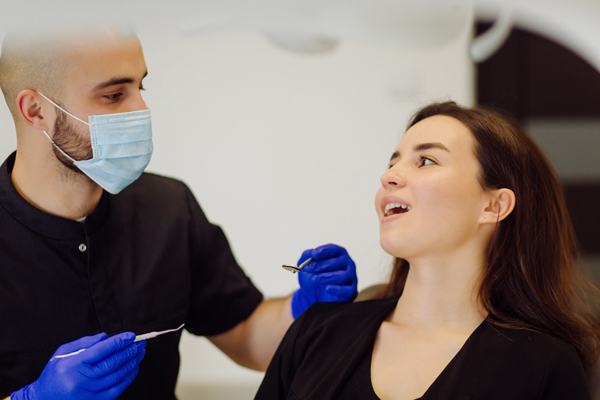
Gum disease is not a condition you should ever ignore. At the first signs of trouble, you should talk to your dentist about how to treat these issues and restore your gums to good health. While the dentist can recommend in-office treatment, there are also things you can do on your own. Along with good prevention methods, make sure you follow some effective techniques for stopping this disease. If you take these matters seriously, you can improve the way you feel and the way your gums and teeth look.
Preventing gum disease
This disease is common among people of all ages. In its beginning stages, known as gingivitis, gums swell and turn red. They may even bleed while the person is eating or brushing. Neglecting these signs can lead to a more serious stage called periodontitis. Teeth can start to pull away from the gums, the gums can recede, and bone loss can occur.
Prevention is possible with good oral hygiene. People should brush at least twice a day with fluoride-based toothpaste. This eliminates bacteria from the teeth and gumline. Flossing will also dislodge food particles and other debris, which would otherwise invite bacteria and the buildup of plaque and tartar.
Seeing a dentist
The general dentist can diagnose a person with gum disease and start a treatment plan. In between regular checkups, patients should also look for signs of this condition. If any of the major symptoms are present, the person should schedule an appointment with the dentist. The dentist can determine the severity of the disease and whether in-office treatments are necessary. Regular follow-up on gum health may occur for patients with significant gum issues.
Brushing
If the gum disease is mild, effective brushing could stop it and reverse its effects. Along with twice-a-day brushing, the individual should use a soft brush and get a new one every three months. The person should spend about two minutes brushing. It is important to brush both sides of every tooth and focus on brushing gums and the gumline. Brushing after meals is particularly vital.
Flossing
Flossing is an activity that many people ignore. Flossing between every tooth once a day will reduce the risk of tooth decay and gum disease. It prevents the formation of plaque and tartar. Flossing should not be vigorous, but the patient should spend enough time on each tooth to do a thorough job. Flossing too much can pose more problems than it can be beneficial.
Use a mouthwash
Rinsing with a mouthwash once or twice a day can help. A rinse can kill the germs that contribute to gum disease. Make sure the product has antiseptics so that it can clean the mouth more effectively. The dentist can also recommend a good mouthwash.
Do your part to stop this disease
You should be the first line of defense against gum disease. Through regular oral hygiene, you can reduce the risk of more serious problems of gum disease, such as tooth loss and bone loss. Call our Anaheim office to learn more or to schedule your next appointment.
Request an appointment here: https://www.dentalgroupofanaheim.com or call Dental Group of Anaheim at (714) 262-4224 for an appointment in our Anaheim office.
Check out what others are saying about our dental services on Yelp: Gum Disease in Anaheim, CA.
Related Posts
While patients want to enhance their smile and transform it as quickly as possible, some cosmetic dental treatments take longer than others. Professional teeth whitening can take time to produce lasting noticeable results. Fortunately, a cosmetic dentist will take the time to go over the most important factors that patients need to know before beginning…
Dental implants can replace missing teeth, but some patients may need a tooth extraction before treatment begins. This depends on whether a damaged or unhealthy tooth remains in the area where the implant will go. Our general dentist can examine your tooth, gums, and jawbone to decide whether saving the tooth or removing it offers…
All-on-4® dental implants provide a sturdy and efficient way to replace a full arch of missing teeth. However, long-term results depend on careful planning and consistent maintenance. Reading up on the most common issues with this restoration can help you avoid them. That way, you can get a full, beautiful smile that lasts with all-on-4.All-on-4…
A gap in the smile can feel like a major setback for your appearance and confidence. Fortunately, a dental bridge offers a straightforward way to restore your smile. This treatment bridges the gap left by a missing tooth, using the teeth on either side as anchors. The result is a smile that looks natural and…